LibreLane
Keeping the chip implementation flow compatible with newer Yosys versions, and making synthesis errors count correctly.
Released in 3.0.8Released in 3.0.10I build computers
from first principles.
Computer Engineering junior at the University of Pennsylvania. I design processors, build the hardware, and write the software that runs on them. My independent 32-bit computer is Tomato.
Engineering work & roles: Aragorn AI, Inc. · Vero Electric.
Philadelphia, PA

It started with a question: could I build a computer from individual transistors? That became an ALU, a rethink, and a 32-bit architecture. Today, my FPGA implementation boots TomatoOS and runs games over HDMI. I’m building the discrete machine board by board.
Expressions run left to right. Lines connect discrete examples; this is not a scaling or timing curve.
See all ten expressions and their instruction sequencesTwo programmable truth tables feed one adder. An instruction can combine Boolean logic and arithmetic instead of sending the result back for another operation.
524,288 control configurations = 256 × 256 truth-table pairs × 8 carry selections. Multiple settings can implement the same function; the instruction ROM selects a practical subset.
Try the full 32-bit playgroundA + (B & C)
AND t0, B, C
ADD out, A, t0
F = A · G = B & C
out = F + G
The mask feeds the adder directly. Both operations share one trip through the ALU.
Illustrative instruction sequences versus ALU evaluations, with operands already available. These counts do not measure CPU cycles or whole-program speed; ISA extensions and implementation choices can change the comparison.
Full comparison & methodologyThe discrete register-file design addresses 32,768 × 32-bit locations: 128 KiB of logical storage, with 256 registers visible per instruction window.
Capacity comparison only. Tomato uses banked, mirrored SRAM; a GPU SM has different porting, bandwidth, latency, and scheduling. This is a design specification, not a GPU performance claim.
A 40-bit instruction looked clean on paper. It also meant wider fields and more board work. I returned to 32 bits so the design could move forward on the bench.
The journal follows the reasoning: what I tried, what complicated the hardware, and what changed.
Read the architectural rethinkKeeping the chip implementation flow compatible with newer Yosys versions, and making synthesis errors count correctly.
Released in 3.0.8Released in 3.0.10A parser fix for technology files with trailing whitespace, so valid LEF58 input can load.
Inspect the patchUsing peak resident memory for Linux statistics, so reported memory reflects the process’s physical footprint.
Inspect the patch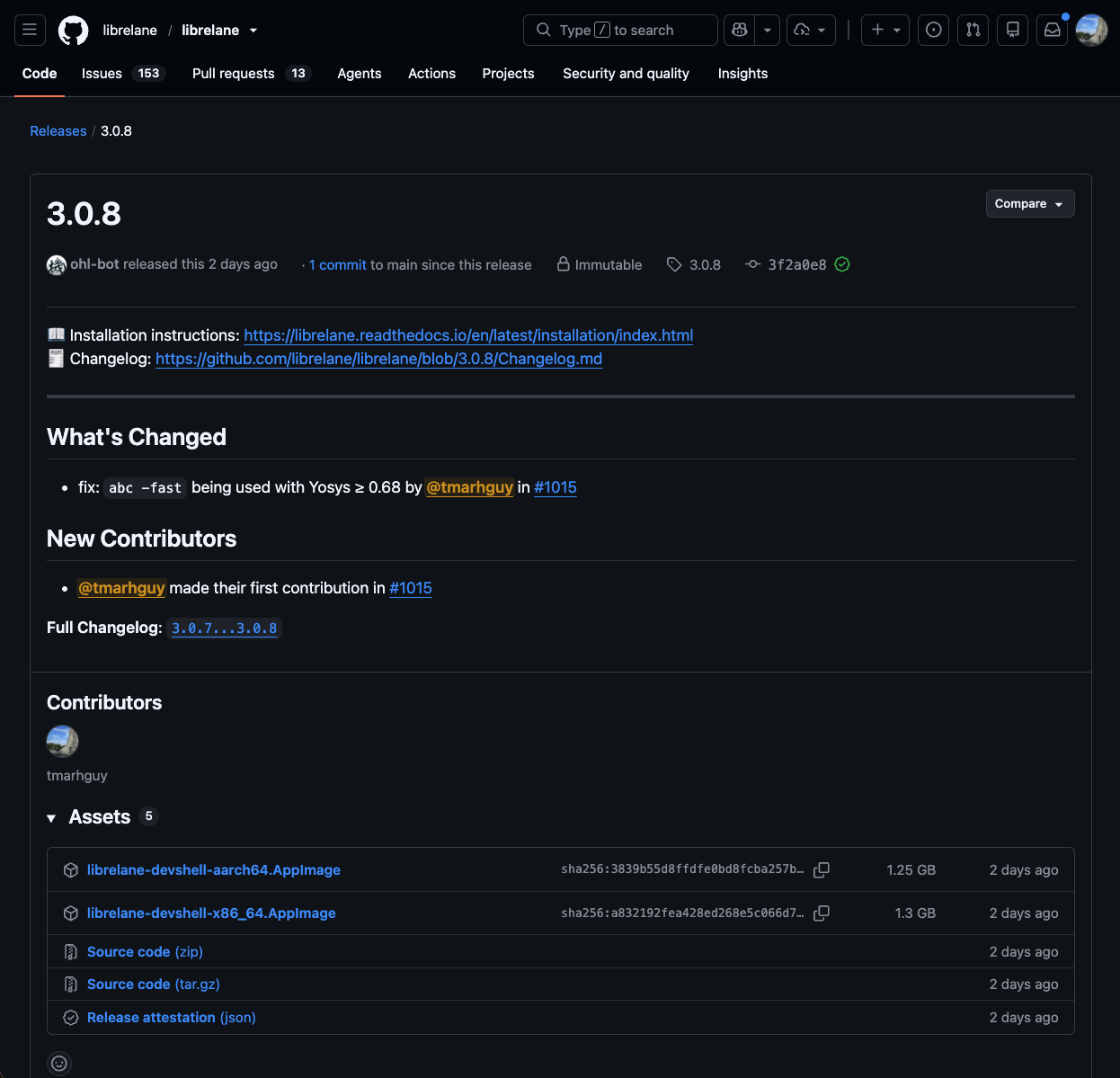
Upstream patches in LibreLane, OpenROAD, Verilator, and OpenFPGA — including Yosys compatibility and synthesis-error counting fixes that shipped in LibreLane 3.0.8 and 3.0.10.
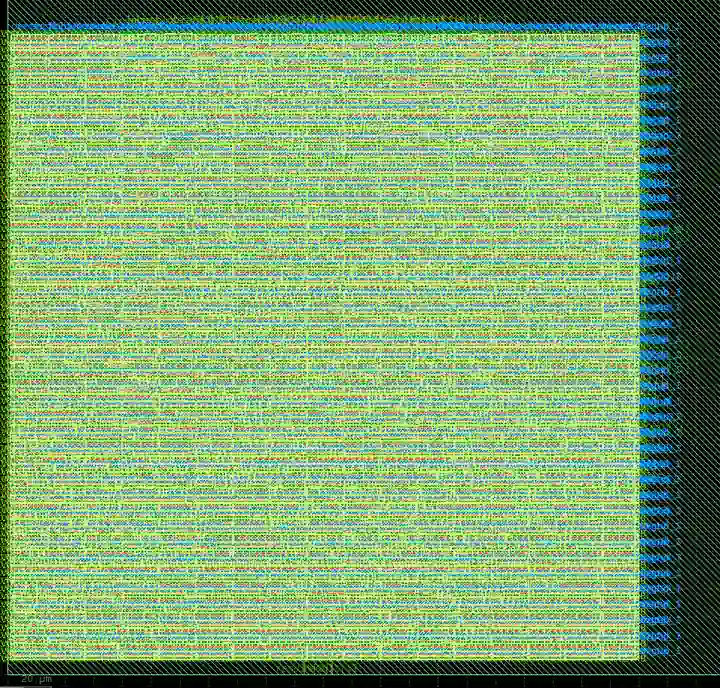
BFloat16 MAC with FP32 accumulator and 4-cycle streaming I/O; cocotb-verified RTL with a local LibreLane flow targeting SkyWater 130 nm. Shuttle submission is a later milestone.
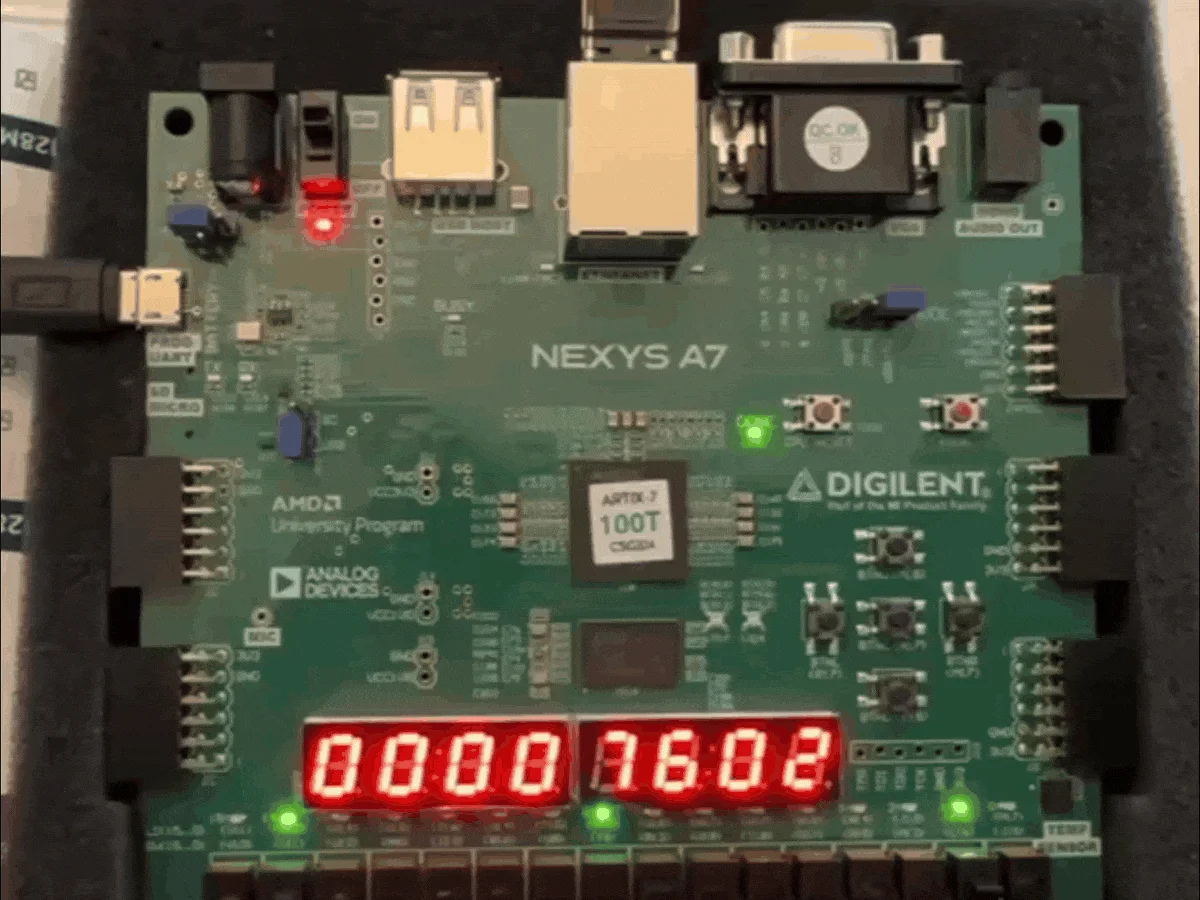
Deterministic 100 Mbps RMII pipeline — MAC, ARP/IP/UDP on Nexys A7 Artix-7; sub-200 ns RX-to-TX loopback with 100% cocotb coverage.
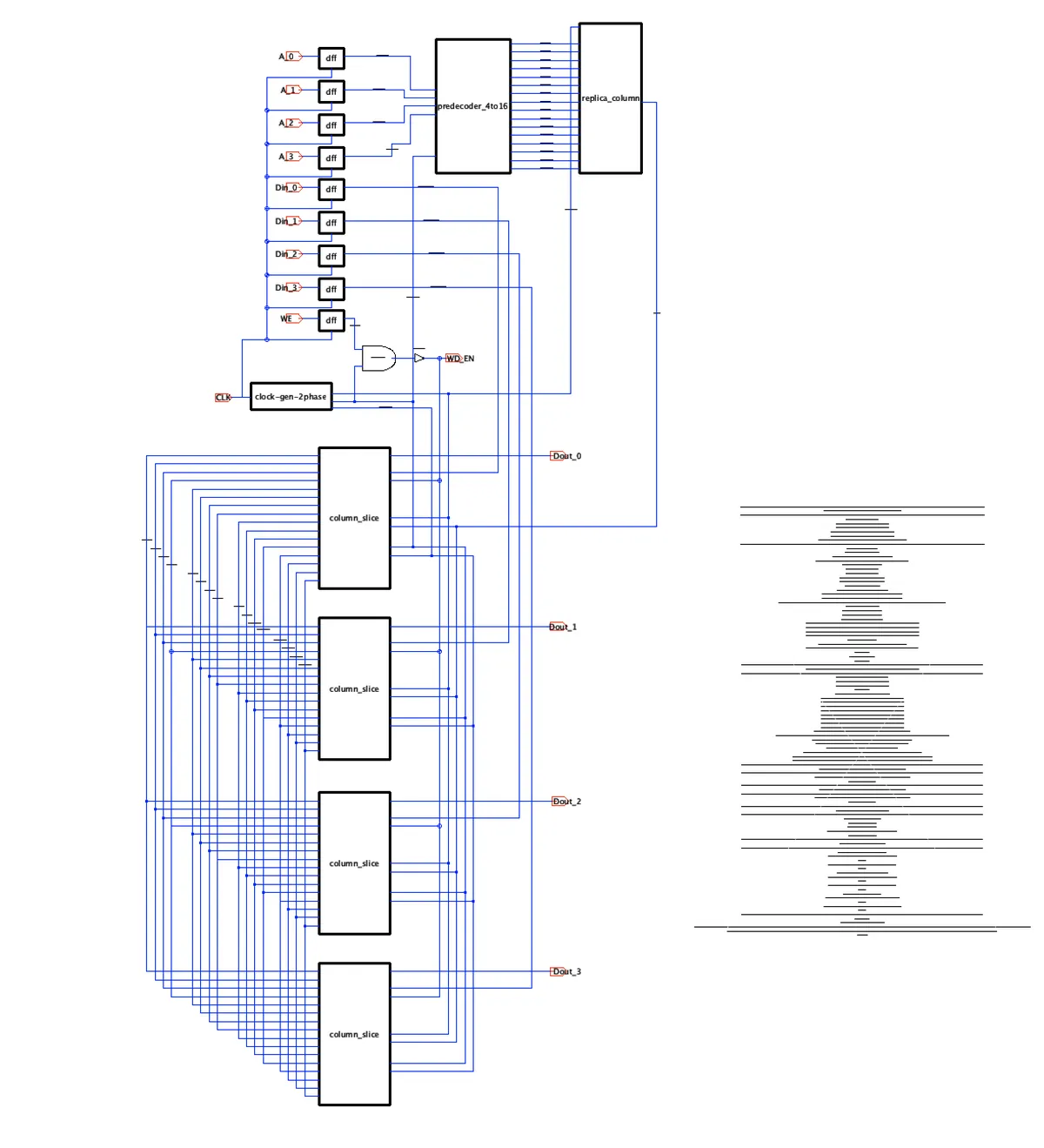
Full-custom 6T SRAM macro in 22 nm HP with clocked StrongARM sense amp; 4.571 GHz f_max with NGSpice functional readback.
Semester crunch, website polish, and TomatoOS gaining a Ghana wallpaper—2,987 lines locked as a stable desktop.
I wondered, what is the use of saying hello to tomato and getting a reponse, Hello {firstname}? It is cool, but withers too quickly. It would be completely orthogonal to build a...
Whenever I am working on a main proejct, I choose to spend less time turning the other problems into another main proejct. With that, I have observed that the main issue that pr...